UA

Inauguração do Teatro Anatómico e Apresentação do Programa de Doação Cadavérica da Universidade de Aveiro
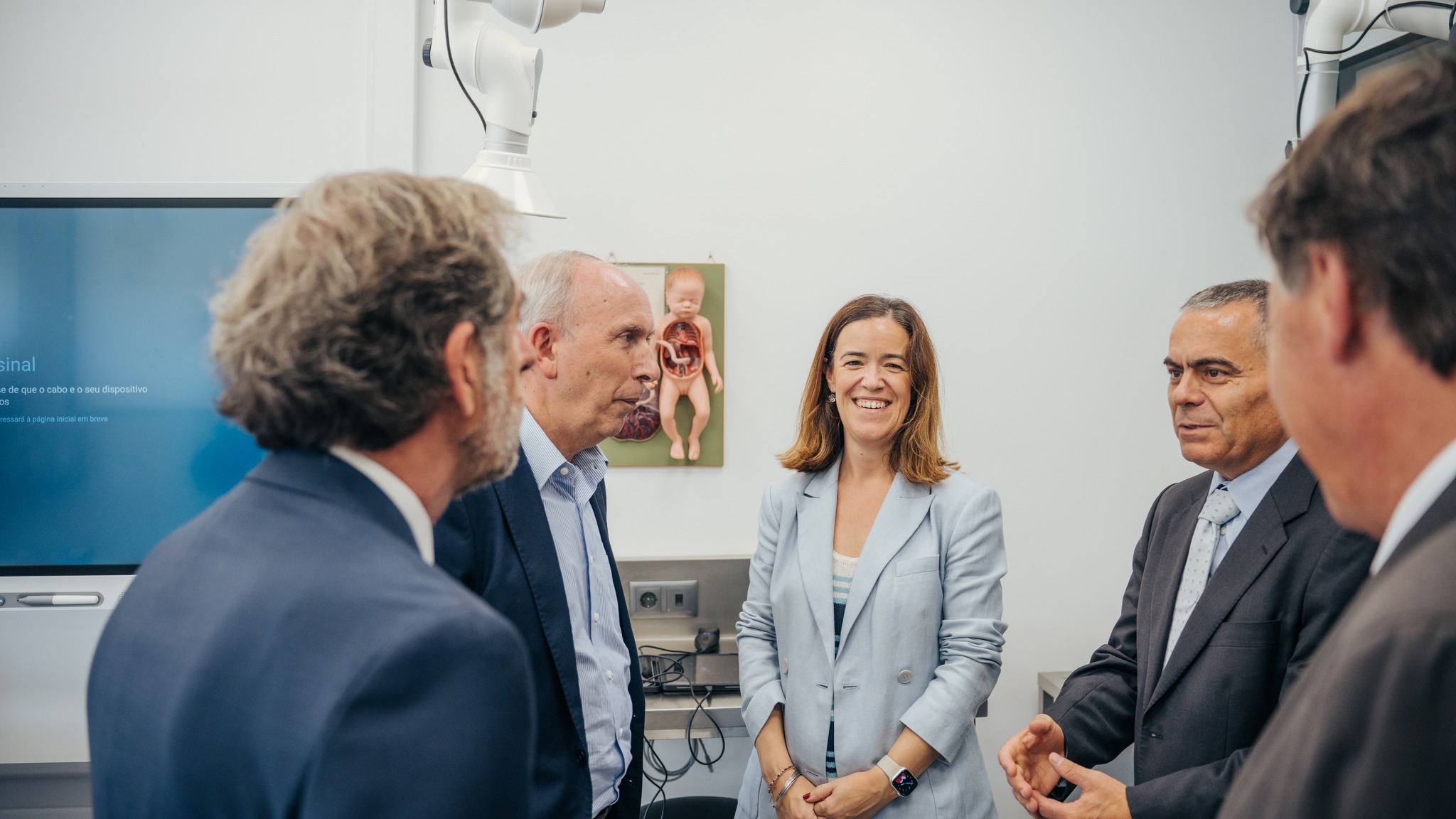
Decorreu na tarde de quarta-feira, 17 de setembro, a inauguração do Teatro Anatómico e a apresentação do Programa de Doação Cadavérica da Universidade de Aveiro, no Edifício da Saúde.

‍

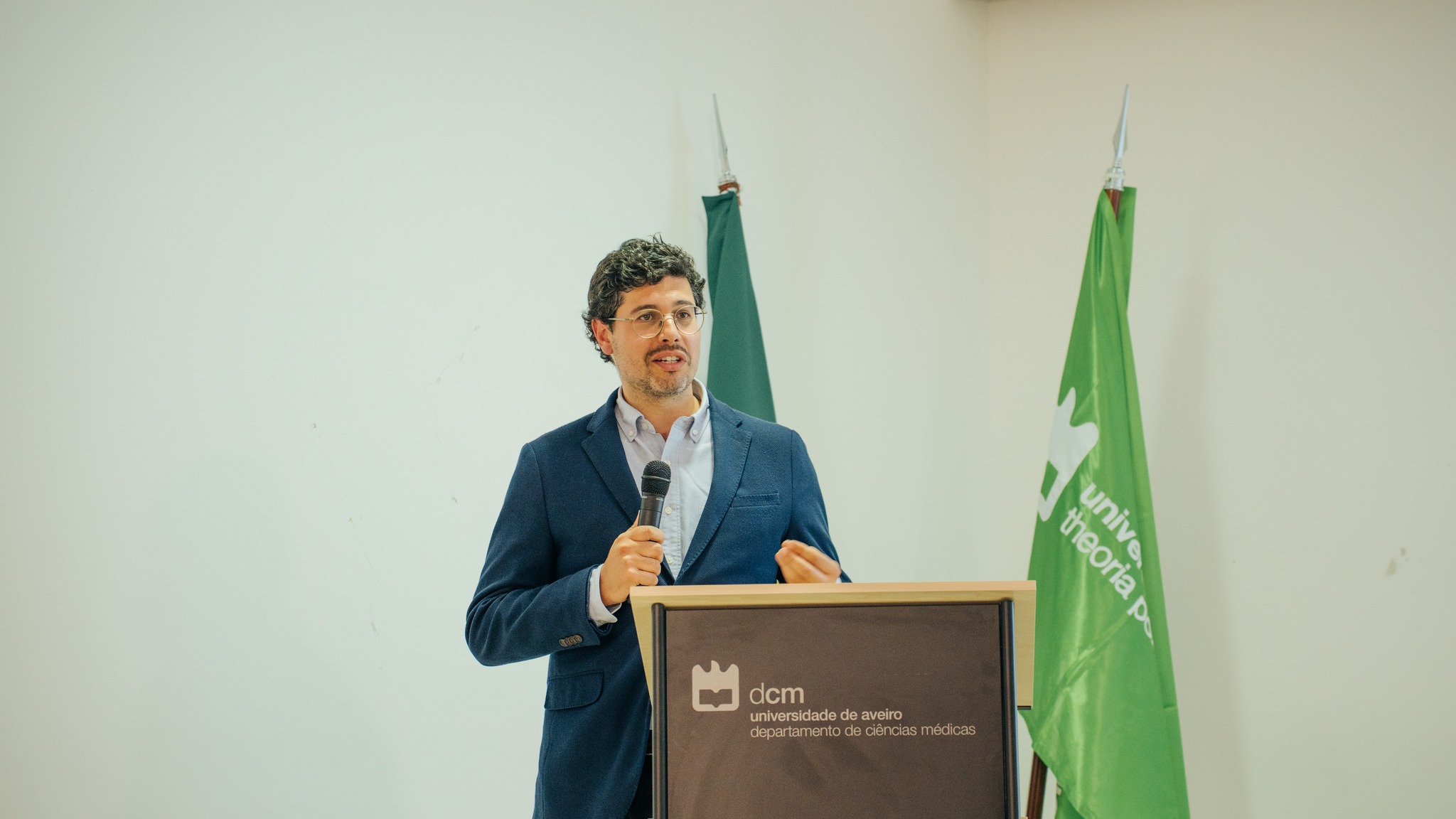
A sessão de abertura iniciou-se com o testemunho de Artur Silva, Vice-Reitor para a Investigação e Inovação da UA e Presidente do EMHA, que deu as boas-vindas e agradeceu às equipas da UA e aos parceiros institucionais envolvidos neste projeto, destacando-o como uma aposta no ensino e na investigação. Enalteceu o altruísmo e a generosidade das doações, sublinhando o profundo respeito e gratidão que lhes são devidos, enquadrados por uma base legal e protocolos internos rigorosos. Concluiu destacando a ousadia e inovação da UA, sustentadas por princípios éticos, e reforçou que, apesar da tecnologia envolvida, o programa exige humanidade, colocando sempre as pessoas em primeiro lugar.

‍

Francisco Amado, Diretor do Departamento de Ciências Médicas da UA, sublinhou que se celebrava mais do que um espaço físico. Recordou a origem do projeto, nascido como curso de Medicina, acreditado há pouco mais de um ano pela A3ES, e destacou a dedicação ímpar que permitiu iniciar o primeiro ano letivo em 2024. Reconheceu que o “projeto de saúde da UA está hoje mais enriquecido” e reforçou a importância da “trilogia ensino–formação–investigação para cuidados de excelência”, com gestão integrada e impacto económico positivo.

‍

Rui Costa, Diretor da ESSUA, referiu que o Teatro Anatómico surge de forma oportuna, como um veículo de apoio à formação em anatomia, à formação contínua e à investigação, representando desafios e oportunidades. Destacou ainda o investimento da ESSUA em equipamentos nas áreas de imagiologia, dosimetria e simulação, agradecendo o apoio da Reitoria.

‍

Ana Povo, Secretária de Estado da Saúde, expressou o “orgulho em estar na UA” e partilhou o seu carinho pela anatomia, área em que realizou o doutoramento. Recordou os primeiros passos do Centro Académico Clínico EMHA e o envolvimento das várias ULS no projeto. Defendeu o uso das novas tecnologias, “sem perder o vínculo humano”, essencial na saúde e na medicina. Reforçou a importância da descentralização do ensino médico e reconheceu os desafios da carreira médico-docente, anunciando a revisão do diploma que a regula desde 1999. Terminou afirmando que a UA tem agora condições para ser líder na área dos dispositivos médicos.

‍

Seguiu-se a intervenção de António Amaro, Diretor do Teatro Anatómico, que recordou a história do ensino da anatomia humana e agradeceu a Artur Silva pelo impulso dado à criação do Teatro Anatómico da UA, que recebeu o nome de Egas Moniz. Agradeceu à equipa do Teatro Anatómico, em especial a Miguel Pais Vieira, coordenador do espaço e peça-chave no projeto, cuja formação inclui uma pós-graduação em Dissecção Anatómica. Destacou ainda o apoio da ULS da Região de Aveiro e do Instituto Nacional de Medicina Legal e Ciências Forenses, na pessoa de Luís Cardoso, pelos contributos técnicos e logísticos. Dirigiu também uma palavra de apreço à artista Lúcia Seabra, pela graciosidade do seu trabalho com os azulejos que decoram a entrada do Teatro Anatómico.

‍

Por fim, Firmino Machado, Diretor do Mestrado Integrado em Medicina, expressou a honra de contar com a presença da Secretária de Estado e destacou a colaboração da UA com parceiros institucionais e representantes da sociedade civil. Explicou o funcionamento do circuito de doação (consultar documentação AQUI), sublinhando que tudo começa com uma vontade individual, esclarecida e comunicada. Agradeceu aos líderes que impulsionam projetos, à equipa técnica e à colaboração com a ULSRA, bem como às pessoas que já doaram o seu corpo ao programa da UA.

‍

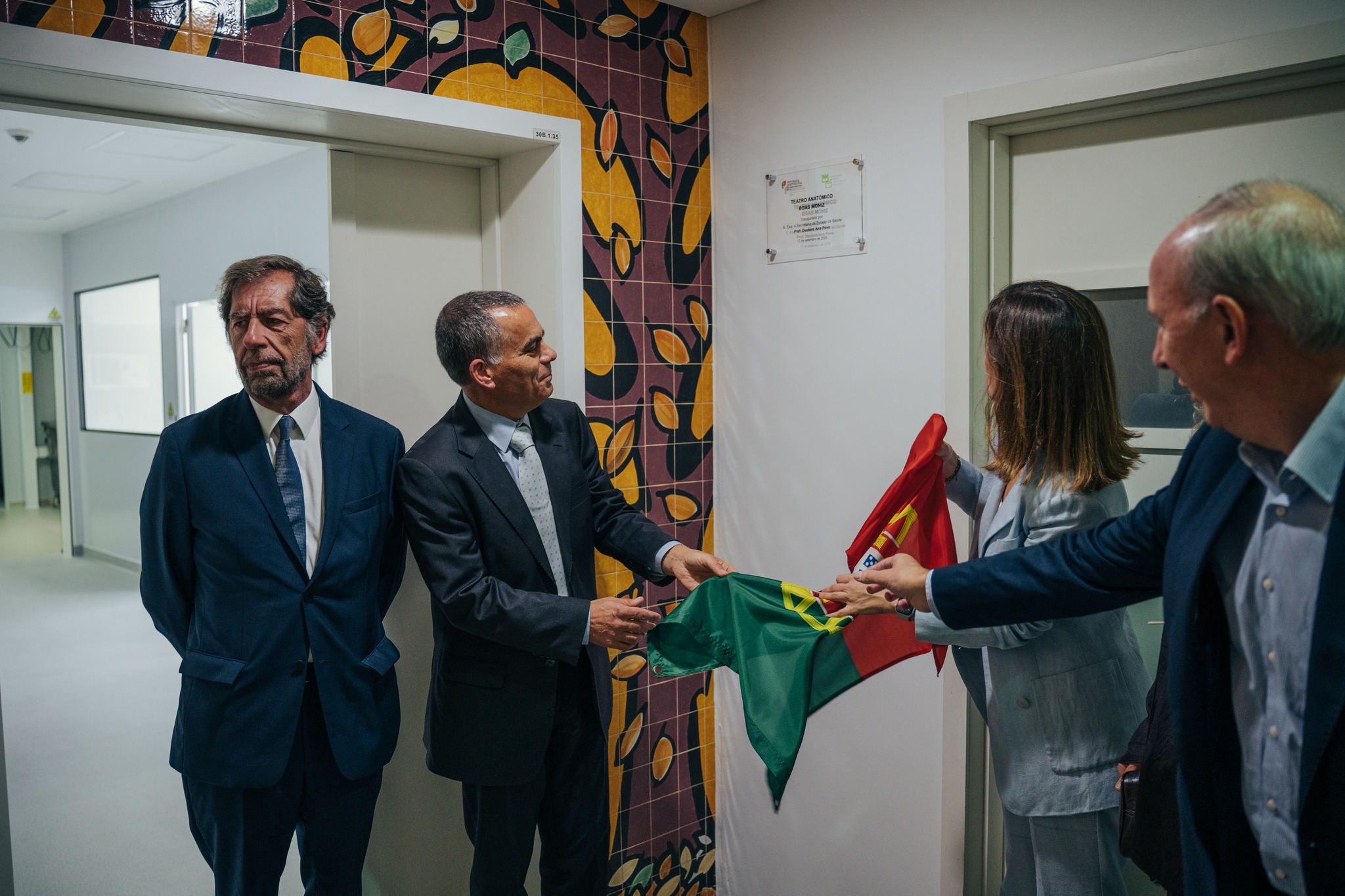
A sessão solene terminou com um momento musical pelo Duo Alumni UA “Beija-flor”, seguido da visita às instalações e da inauguração oficial do Teatro Anatómico pela Secretária de Estado da Saúde.

Em ambiente reservado, decorreu ainda uma conversa informal e enriquecedora sobre a doação do corpo à ciência, que permitiu clarificar desafios e questões relevantes para a comunidade. Um agradecimento especial às associações de utentes e representantes da sociedade civil que estiveram presentes.

‍

O EMHA felicita estas conquistas, que pertencem a todos os que fazem parte deste ecossistema de saúde em constante crescimento.

 

‍

Ao clicar em "Aceitar", concorda com o armazenamento de cookies no seu dispositivo para melhorar a navegação no site. Para mais informações, consulte a nossa Política de Privacidade.
UA

University of Aveiro Inaugurates the Anatomical Theatre and Launches its Body Donation Programme

On the afternoon of 17 September, the University of Aveiro (UA) officially inaugurated its Anatomical Theatre and presented the University of Aveiro Body Donation Programme at the Health Building, marking an important milestone in medical education, research, and clinical training.

‍

The opening session began with remarks from Professor Artur Silva, Vice-Rector for Research and Innovation at the University of Aveiro and President of the Egas Moniz Health Alliance (EMHA). He welcomed attendees and thanked the University teams and institutional partners whose collaboration made the project possible, describing it as a strategic investment in education and research. Professor Silva highlighted the altruism and generosity of body donors, emphasising the profound respect and gratitude owed to them within a robust legal and ethical framework supported by rigorous institutional protocols. He concluded by underlining the University's commitment to innovation grounded in ethical principles, stressing that, despite the technological advances involved, the programme ultimately places people at its centre.

Professor Francisco Amado, Director of the University's Department of Medical Sciences, noted that the occasion celebrated far more than the opening of a new facility. He reflected on the origins of the project, which began with the creation of the Integrated Master's Degree in Medicine, accredited by A3ES just over a year earlier, and praised the exceptional dedication that enabled the programme to welcome its first cohort of students in 2024. He affirmed that the University's health ecosystem has become significantly stronger, highlighting the importance of integrating education, training, and research to achieve excellence in healthcare while generating broader societal and economic impact.

Professor Rui Costa, Director of the School of Health Sciences, described the Anatomical Theatre as a timely addition that will support anatomy education, continuing professional development, and research. He also highlighted the School's investment in advanced equipment for imaging, dosimetry, and simulation, acknowledging the support provided by the University's Rectorate.

Representing the Portuguese Government, Dr Ana Povo, Secretary of State for Health, expressed her pride in attending the event and shared her personal connection to anatomy, the field in which she completed her doctoral studies. She recalled the early development of the EMHA Academic Clinical Centre and the involvement of the partner Local Health Units in the project. While advocating for the use of new technologies in healthcare, she stressed that they should never replace the human connection that lies at the heart of medicine. She also reaffirmed the importance of decentralising medical education and announced the forthcoming revision of the legislation governing the medical academic career, which has remained largely unchanged since 1999. She concluded by stating that the University of Aveiro is now well positioned to become a national leader in the field of medical devices.

The programme continued with an address by Professor António Amaro, Director of the Anatomical Theatre, who reflected on the history of anatomy teaching and thanked Professor Artur Silva for championing the creation of the University's Anatomical Theatre, which has been named in honour of Egas Moniz. He recognised the dedication of the Anatomical Theatre team, with special acknowledgement to Miguel Pais Vieira, the facility's coordinator and a key figure in the project, whose expertise includes postgraduate training in anatomical dissection. He also thanked the Aveiro Local Health Unit (ULSRA) and the National Institute of Legal Medicine and Forensic Sciences, particularly Luís Cardoso, for their technical and logistical support. A special tribute was also paid to the artist Lúcia Seabra for creating the ceramic tile artwork that decorates the entrance to the Anatomical Theatre.

Closing the formal presentations, Professor Firmino Machado, Director of the Integrated Master's Degree in Medicine, expressed his appreciation for the presence of the Secretary of State and highlighted the strong collaboration between the University, its institutional partners, and representatives of civil society. He explained how the Body Donation Programme operates, emphasising that participation begins with an informed and voluntary personal decision. He thanked the institutional leaders who have supported the initiative, the technical team responsible for its implementation, the collaboration with ULSRA, and, above all, the individuals who have already chosen to donate their bodies to science through the University of Aveiro.

The ceremony concluded with a musical performance by the UA Alumni Duo "Beija-flor", followed by a guided tour of the facilities and the official inauguration of the Anatomical Theatre by the Secretary of State for Health.

A private discussion on body donation for science was also held, providing an opportunity to explore important ethical and practical issues and to answer questions from participants. EMHA extends its sincere appreciation to the patient associations and representatives of civil society who took part in this dialogue.

EMHA warmly congratulates everyone involved in achieving these important milestones, which reflect the collective efforts of a growing healthcare ecosystem committed to excellence in education, research, innovation, and patient care.

‍

Ao clicar em "Aceitar", concorda com o armazenamento de cookies no seu dispositivo para melhorar a navegação no site. Para mais informações, consulte a nossa Política de Privacidade.