EMHA
I Encontro de Value-Based Healthcare do EMHA
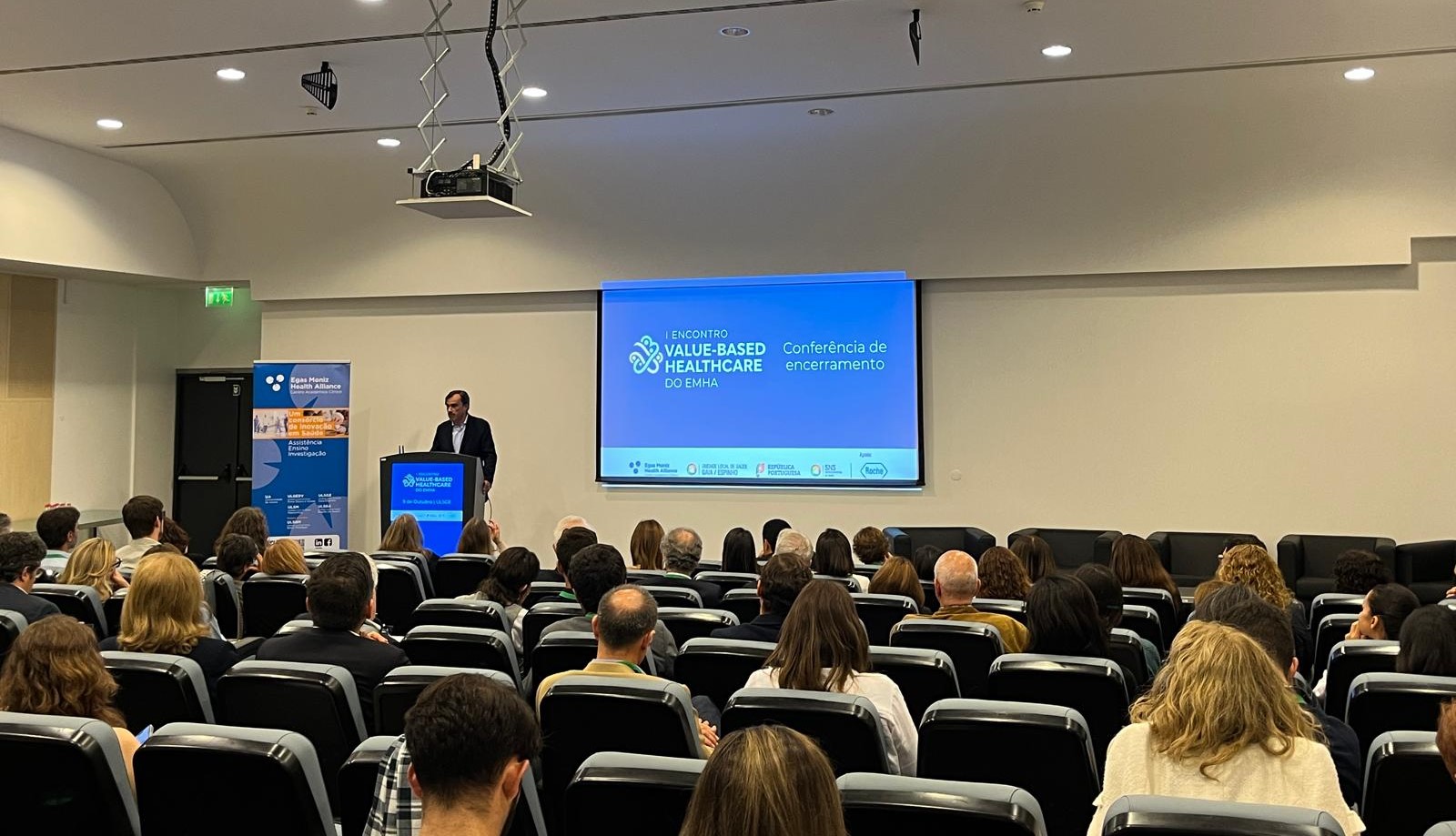
Decorreu no dia 9 de outubro no Auditório Dr Correia de Campos, no Centro de Reabilitação do Norte, em Vila Nova de Gaia, o I Encontro de Value-Based Healthcare do EMHA. Estiveram presentes mais de 150 pessoas, presencialmente e via streaming através do YouTube.
A sessão de abertura foi presidida por Artur Silva, Presidente do EMHA, e por Luís Matos, Presidente do Conselho de Administração da ULSGE, instituição anfitriã do evento, que já desenvolveu oito clínicas multidisciplinares.
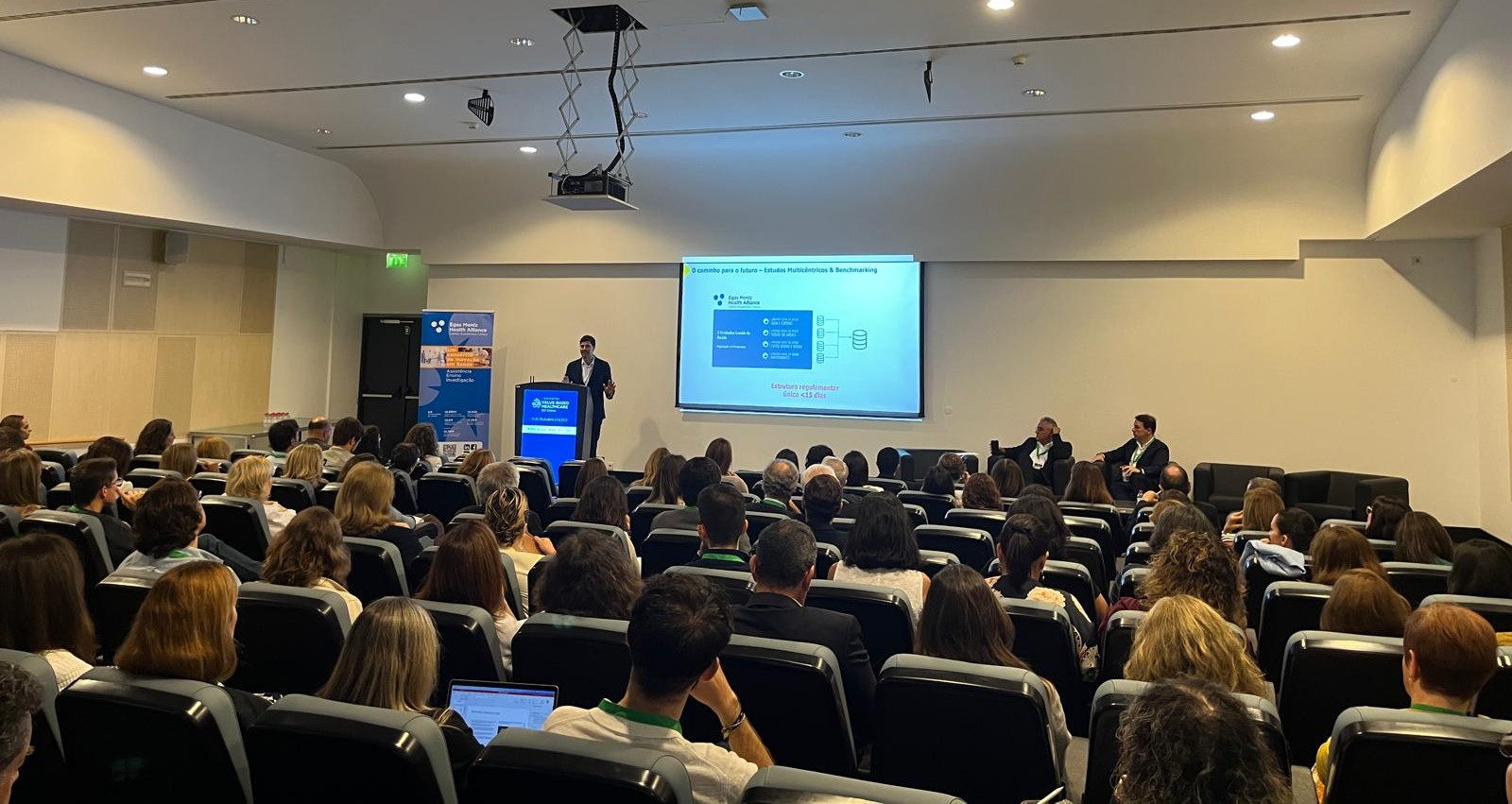
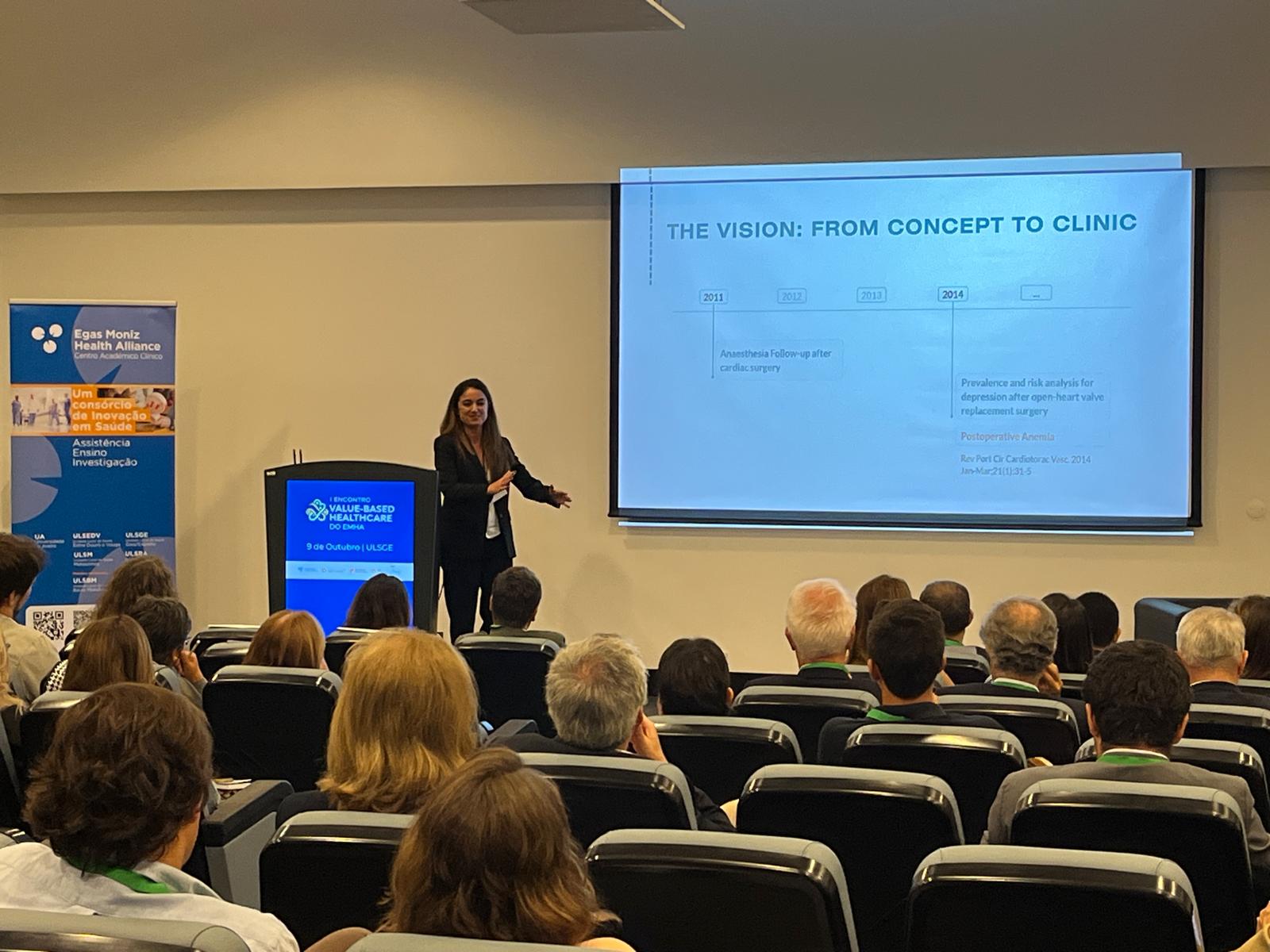
Durante a manhã, foram apresentados os fundamentos e a visão da saúde baseada em valor, com destaque para temas como tecnologia, investigação e acordos de partilha de risco. Foram também evidenciados os projetos já em curso nas ULS do EMHA, nomeadamente as clínicas multidisciplinares dedicadas ao HIV, à Insuficiência Cardíaca (PiiC-MI), à Gestão do Sangue Perioperatório (Patient Blood Management, PBM) e aos Estilos de Vida Saudáveis (Viva Melhor).
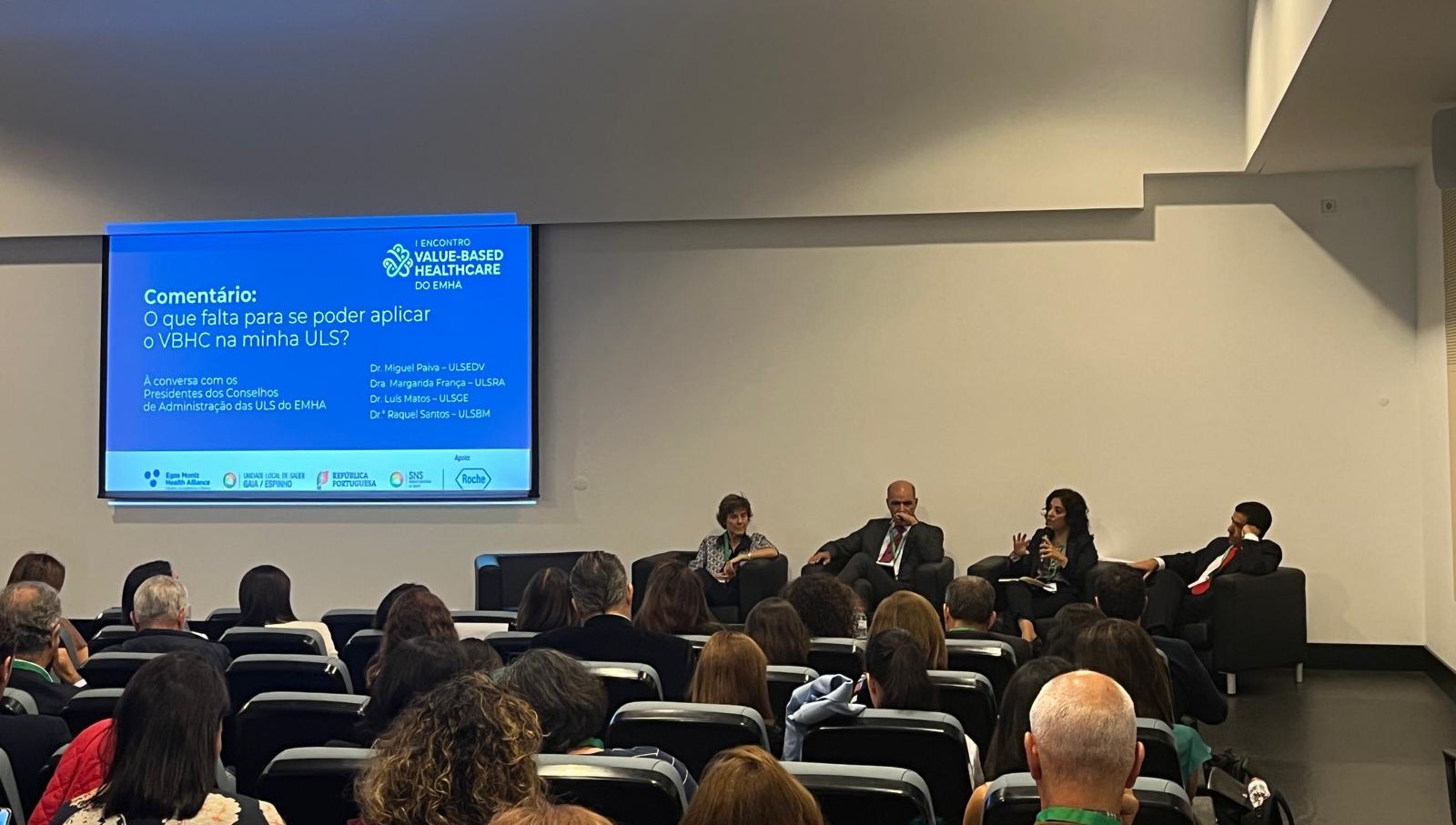
Numa mesa-redonda, os presidentes dos Conselhos de Administração das ULS do EMHA partilharam os principais desafios na implementação do modelo VBHC em cada unidade.
Miguel Paiva (ULS Entre Douro e Vouga) referiu que a reorganização das ULS trouxe desafios acrescidos, destacando a necessidade de “dar resposta ao mais urgente” como uma das maiores dificuldades. Reconheceu que “o estímulo financeiro poderia acelerar este processo” e sublinhou o trabalho da ULSEDV na estratificação pelo risco como ponto de partida para o desenvolvimento do VBHC.
Raquel Santos (ULS Baixo Mondego) reconheceu que, apesar da pressão do dia-a-dia, é essencial dar prioridade estratégica ao VBHC. Sublinhou que “qualquer mudança altera o status quo” e que “uma reforma deste calibre não se faz em 1-2 anos”, reforçando que “estamos a fazer um bom caminho, principalmente porque sabemos por onde queremos ir”. Defendeu ainda a importância de formar os profissionais de saúde e de construir uma nova perspetiva para o doente.
Luís Matos (ULS de Gaia e Espinho) também apontou a falta de financiamento como um obstáculo, mas defendeu o avanço dos projetos-piloto. Identificou ainda a falta de maturidade organizacional como um desafio à implementação do modelo, sublinhando que é preciso saber lidar com as consequências do mesmo e que estas alterações têm obrigatoriamente de impactar as instituições. Alertou que a definição de um novo modelo de custo por doente, com critérios comuns entre ULS, permitirá comparações entre instituições, podendo levar a que algumas deixem de realizar determinados procedimentos.
Margarida França (ULS da Região de Aveiro) destacou que não teme a comparação interinstitucional e que é essencial aprender com quem faz melhor. Referiu a importância da sustentabilidade financeira dos programas e sugeriu que, após este encontro tão enriquecedor, o EMHA deveria considerar a publicação de um documento sobre o tema.
Na sessão de encerramento, Francisco Rocha Gonçalves, Secretário de Estado para a Gestão da Saúde, reforçou a importância de publicar artigos científicos sobre VBHC — não para vanglória, mas para registar o que foi feito e permitir que futuras gerações conheçam o caminho percorrido. Sublinhou ainda a necessidade de uma mudança cultural para a adoção plena do modelo de saúde baseado em valor.
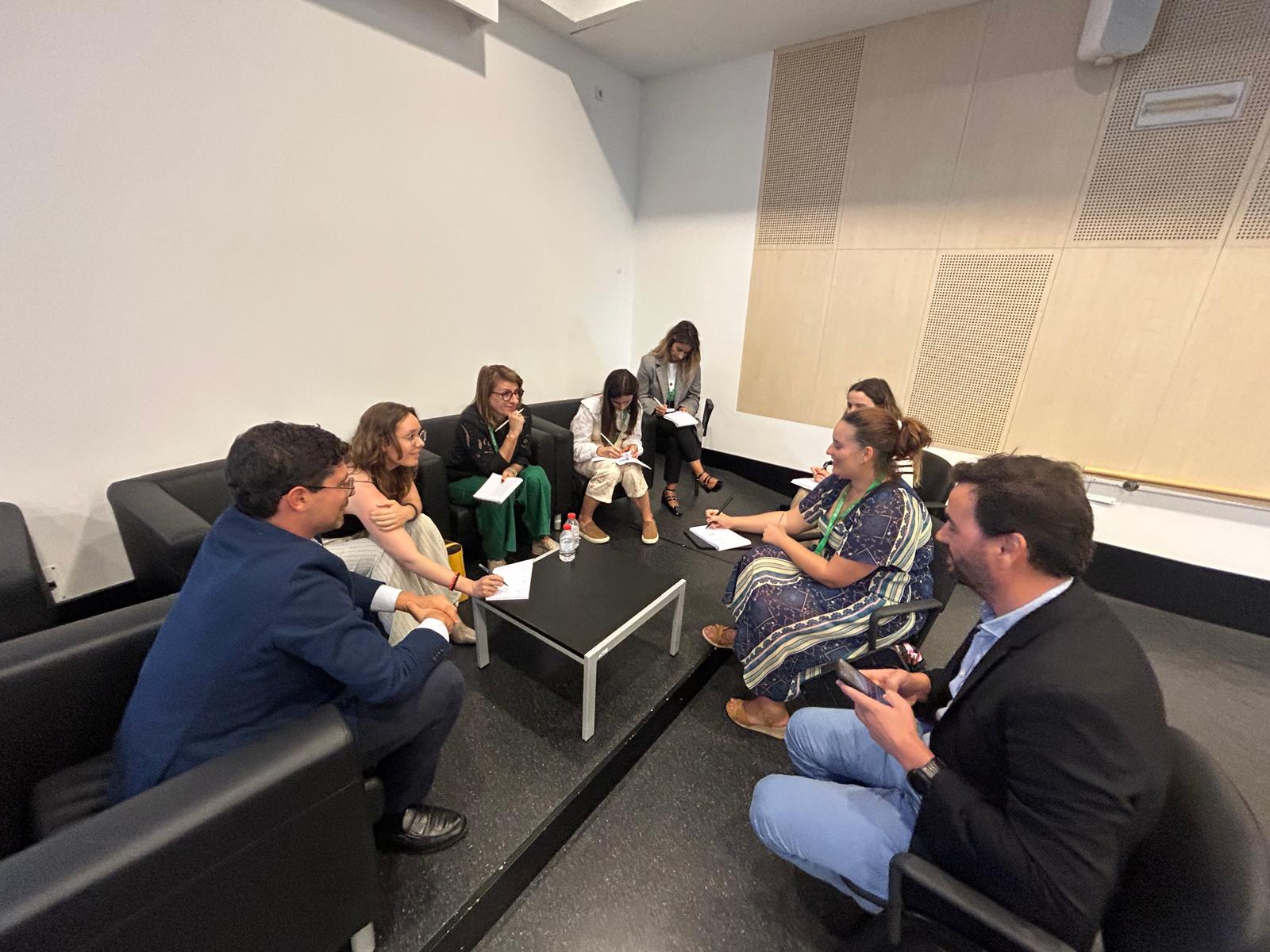
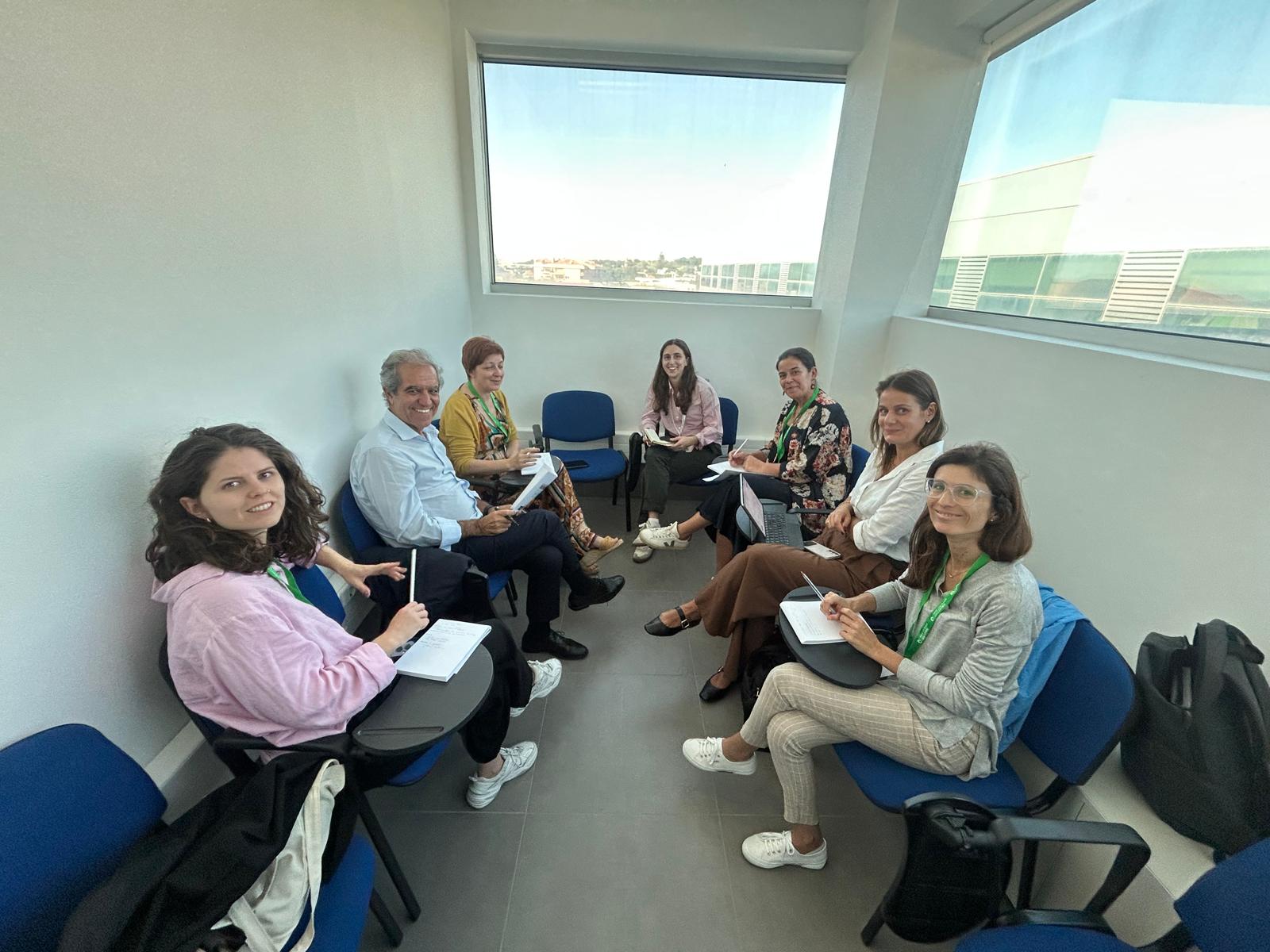
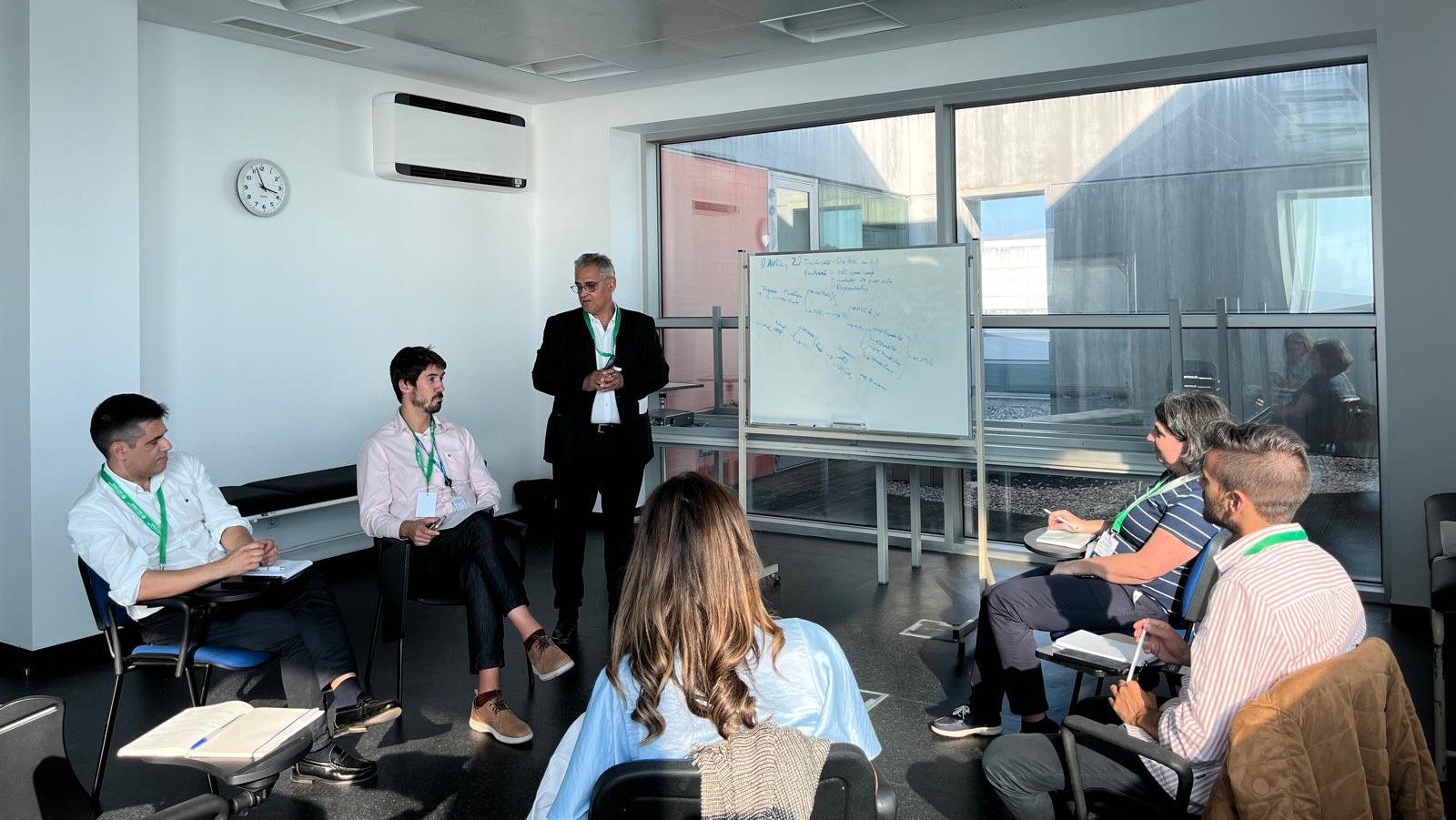
Após uma manhã intensa e informativa, a tarde foi dedicada a um exercício prático de criação de clínicas multidisciplinares, desenvolvido em pequenos grupos de trabalho. A atividade foi orientada por Serafim Guimarães (do Serviço de Promoção de Valor em Saúde da ULSGE), Firmino Machado (Diretor da Unidade de Gestão – Planeamento, Inovação e Saúde das Populações da ULSGE) e Diana Paupério (Coordenadora do programa Patient Blood Management em Cirurgia Cardíaca da ULSGE).
O workshop contou com a participação de 40 profissionais, incluindo médicos, enfermeiros, gestores, investigadores e farmacêuticos, num momento de colaboração e construção conjunta de soluções centradas no valor em saúde.
Conforme referido por Raquel Santos, é preciso “fazer caminhar a coragem ao lado do conhecimento”. O EMHA acredita que está a dar passos significativos na transformação do modelo de saúde, com benefícios não só para a qualidade de vida dos doentes, mas também para as instituições, nomeadamente através da redução de custos e da melhoria da eficiência dos cuidados prestados.
No items found.